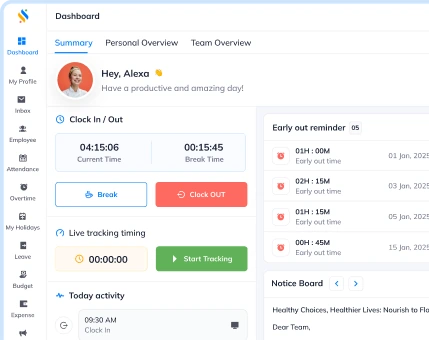
In the evolving landscape of the Human Resources industry, the role of a Human Resources Specialist is crucial for ensuring effective talent management, compliance with regulations, and fostering a positive organizational culture. Mastering the skills required for this role can significantly contribute to the success of a company by attracting, retaining, and developing top talent while mitigating risks associated with human capital.
1. Can you explain the importance of data analytics in HR decision-making processes?
Data analytics in HR helps in making informed decisions regarding recruitment, performance management, and employee engagement by providing insights based on trends and patterns.
2. How do you stay updated on the latest HR laws and regulations?
I regularly attend seminars, webinars, and workshops, and subscribe to industry publications and newsletters to stay informed about changes in HR laws and regulations.
3. What role does technology play in modern HR practices?
Technology streamlines HR processes, enhances employee experience through self-service tools, and enables data-driven decision-making for strategic HR initiatives.
4. How do you handle conflicts between employees in the workplace?
I use conflict resolution techniques such as active listening, mediation, and negotiation to address conflicts promptly and foster a harmonious work environment.
5. Can you discuss a successful recruitment strategy you implemented in your previous role?
I developed a targeted recruitment campaign leveraging social media platforms and employee referrals, resulting in a 20% increase in qualified candidates.
6. How do you ensure diversity and inclusion in the workplace?
I promote diversity through unbiased recruitment practices, inclusive policies, and ongoing diversity training to create a welcoming and equitable work environment.
7. What methods do you use to assess employee performance and provide feedback?
I utilize performance appraisal systems, regular one-on-one meetings, and 360-degree feedback to evaluate performance and offer constructive feedback for development.
8. How do you handle confidential employee information and maintain data privacy?
I strictly adhere to data protection laws, limit access to sensitive information, and use secure HR software systems to ensure confidentiality and data security.
9. Can you explain the impact of employee engagement on organizational success?
High employee engagement leads to increased productivity, lower turnover rates, and improved overall performance, contributing to the success of the organization.
10. How do you approach developing and implementing HR policies and procedures?
I conduct thorough research, gather feedback from stakeholders, and ensure policies are aligned with legal requirements and organizational goals before implementing them.
11. How do you handle a situation where an employee raises concerns about discrimination in the workplace?
I take all allegations of discrimination seriously, conduct a fair investigation, and take appropriate action to address the issue while maintaining confidentiality and sensitivity.
12. What role does training and development play in employee retention?
Investing in training and development programs enhances employee skills, boosts morale, and increases loyalty, leading to higher retention rates and long-term organizational success.
13. How do you measure the effectiveness of HR initiatives and programs?
I use key performance indicators (KPIs), feedback surveys, and metrics such as turnover rates and employee engagement scores to evaluate the impact of HR initiatives and make data-driven decisions.
14. Can you discuss a challenging employee relations issue you successfully resolved?
I mediated a conflict between two departments by facilitating open communication, setting clear expectations, and implementing a collaborative solution that improved interdepartmental relations.
15. How do you handle performance issues with underperforming employees?
I address performance issues through coaching, setting performance goals, providing feedback, and offering support to help employees improve their performance and meet expectations.
16. What strategies do you use to promote a positive work culture within an organization?
I encourage open communication, recognize and reward employee achievements, promote work-life balance, and foster a culture of respect and inclusivity to create a positive work environment.
17. How do you approach succession planning and talent development within an organization?
I identify high-potential employees, provide them with growth opportunities, mentorship, and training, and create succession plans to ensure a smooth transition in key roles within the organization.
18. Can you discuss a time when you had to handle a difficult termination process?
I ensured that the termination process was conducted professionally, with empathy, and in compliance with company policies and legal requirements while prioritizing the dignity and privacy of the departing employee.
19. How do you address employee feedback and suggestions for improving workplace practices?
I actively listen to employee feedback, analyze suggestions, and collaborate with stakeholders to implement positive changes that enhance employee satisfaction and contribute to a more productive work environment.
20. Can you provide an example of how you have successfully managed a complex HR project from start to finish?
I developed and implemented a comprehensive onboarding program for new hires, including training modules, mentorship initiatives, and feedback mechanisms, resulting in improved employee retention and engagement.
21. How do you ensure compliance with labor laws and regulations in your HR practices?
I conduct regular audits, stay updated on changing laws, collaborate with legal counsel, and provide training to HR staff to ensure full compliance with labor laws and regulations.
22. What role does employee benefits and compensation play in attracting and retaining top talent?
Competitive benefits and compensation packages are essential for attracting and retaining top talent, as they demonstrate the organization’s commitment to employee well-being and satisfaction.
23. How do you address challenges related to remote work and virtual teams in HR management?
I leverage technology for virtual collaboration, establish clear communication channels, provide remote work policies, and offer support to ensure remote teams remain engaged and productive.
24. Can you discuss your experience with implementing performance management systems and tools?
I have implemented performance management systems that align individual goals with organizational objectives, provide continuous feedback, and track performance metrics to drive employee development and performance improvement.
25. How do you approach managing conflicts between HR policies and employee needs?
I seek to strike a balance between HR policies and employee needs by considering individual circumstances, offering flexible solutions where possible, and communicating the rationale behind policy decisions to foster understanding and cooperation.
26. What strategies do you use to promote diversity in recruitment and hiring processes?
I implement diversity recruitment strategies such as targeted outreach, diverse interview panels, and unconscious bias training to attract a diverse pool of candidates and ensure fair and inclusive hiring practices.
27. How do you handle sensitive information during organizational restructuring or downsizing?
I communicate transparently with employees, provide support services, follow legal protocols, and prioritize empathy and respect when handling sensitive information during organizational changes.
28. Can you discuss a time when you had to navigate a challenging HR compliance issue?
I conducted a thorough investigation, collaborated with legal experts, and implemented corrective actions to address a compliance issue while ensuring transparency, accountability, and adherence to regulations.
29. How do you approach developing HR strategies that align with the overall business goals of an organization?
I collaborate with key stakeholders, conduct SWOT analyses, and align HR strategies with the organization’s mission, vision, and strategic objectives to ensure HR initiatives support and drive business success.
30. What methods do you use to foster a culture of continuous learning and development within an organization?
I promote a growth mindset, provide learning opportunities, offer training programs, and encourage knowledge sharing to create a culture where employees are motivated to continuously learn and develop their skills.