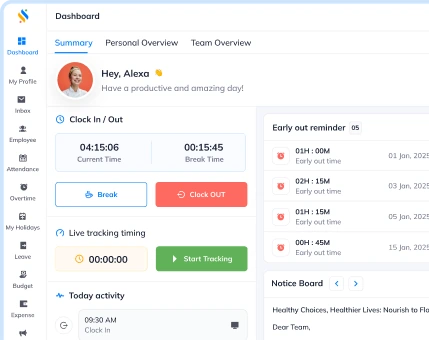
Operational Staff play a crucial role in the Operations industry by ensuring the efficient execution of day-to-day tasks, optimizing processes, and maintaining operational excellence. Mastering the role of Operational Staff is key to driving productivity, minimizing costs, and enhancing overall organizational performance. In today’s fast-paced business environment, operational staff face challenges such as adapting to technological advancements, maintaining compliance standards, and managing supply chain disruptions. Let’s explore key insights and competencies required for success in operational roles.
1. How do you prioritize tasks in a high-pressure operational environment?
Answer: I prioritize tasks based on urgency, impact on overall operations, and deadlines, utilizing tools like to-do lists or time management apps.
2. Can you explain a situation where you identified and resolved an operational inefficiency?
Answer: I identified a bottleneck in inventory management and implemented a new system that reduced processing time by 30%.
3. How do you ensure compliance with industry regulations in your operational role?
Answer: I stay updated on regulatory changes, conduct regular audits, and implement necessary process adjustments to ensure compliance.
4. What tools or software do you use to streamline operational processes?
Answer: I leverage tools like ERP systems, project management software, and data analytics platforms to streamline processes and enhance efficiency.
5. How do you handle unexpected disruptions in the supply chain?
Answer: I maintain good relationships with alternative suppliers, have contingency plans in place, and communicate proactively with stakeholders to mitigate the impact of disruptions.
6. How do you track and analyze operational performance metrics?
Answer: I use KPIs such as lead time, cycle time, and inventory turnover to track performance, analyze data trends, and make data-driven decisions for continuous improvement.
7. Describe a successful cross-functional collaboration experience in an operational project.
Answer: I collaborated with the IT team to implement a new inventory tracking system, ensuring seamless integration and minimal operational disruptions.
8. How do you stay updated on industry trends and best practices in operations?
Answer: I attend industry conferences, participate in webinars, and engage in continuous learning to stay abreast of the latest trends and best practices in operations.
9. How do you ensure effective communication within the operational team?
Answer: I hold regular team meetings, utilize communication tools like Slack or Microsoft Teams, and encourage an open-door policy to foster transparent communication.
10. Can you provide an example of a time when you had to make a quick decision to resolve an operational issue?
Answer: When a key supplier faced a sudden production delay, I quickly sourced an alternative supplier to prevent disruption to our manufacturing schedule.
11. How do you approach conflict resolution within the operational team?
Answer: I address conflicts promptly, listen to all perspectives, seek common ground, and work towards a mutually beneficial resolution to maintain team harmony.
12. What strategies do you use to optimize inventory management and reduce carrying costs?
Answer: I implement just-in-time inventory systems, conduct regular demand forecasting, and negotiate favorable terms with suppliers to minimize carrying costs.
13. How do you ensure operational processes are scalable to accommodate business growth?
Answer: I design processes with scalability in mind, conduct regular process reviews, and implement automation where feasible to support business growth without compromising efficiency.
14. Can you discuss a time when you had to lead a process improvement initiative in your operational role?
Answer: I led a cross-functional team to map existing processes, identify inefficiencies, and implement a new workflow that resulted in a 20% increase in productivity.
15. How do you assess and mitigate operational risks in your role?
Answer: I conduct risk assessments, implement risk mitigation strategies, and create contingency plans to address potential operational risks and minimize their impact.
16. Describe a time when you had to adapt to a sudden change in operational priorities.
Answer: When a new urgent project emerged, I reprioritized tasks, reallocated resources, and communicated effectively with stakeholders to ensure successful project completion.
17. How do you foster a culture of continuous improvement within the operational team?
Answer: I encourage team members to provide feedback, implement suggestions for process enhancements, and celebrate successes to motivate ongoing improvement efforts.
18. Can you discuss a time when you successfully managed a project with limited resources?
Answer: I optimized resource allocation, leveraged team strengths, and implemented lean methodologies to deliver the project within budget and timeline constraints.
19. How do you ensure customer satisfaction is maintained through operational processes?
Answer: I prioritize quality control measures, seek customer feedback, and implement process improvements based on customer preferences to enhance overall satisfaction levels.
20. How do you handle conflicting priorities from different departments in your operational role?
Answer: I facilitate cross-departmental meetings, align priorities with organizational goals, and negotiate feasible timelines to address conflicting priorities effectively.
21. What role do data analytics play in optimizing operational efficiency?
Answer: Data analytics help identify trends, predict demand, and optimize resource allocation, allowing for data-driven decision-making to enhance operational efficiency.
22. How do you ensure a smooth transition when implementing new operational processes or systems?
Answer: I provide comprehensive training, create detailed documentation, and offer ongoing support to team members to ensure a seamless transition and minimize disruptions.
23. Can you discuss a time when you had to juggle multiple projects simultaneously in your operational role?
Answer: I prioritized tasks based on deadlines and impact, delegated responsibilities effectively, and maintained clear communication to successfully manage multiple projects concurrently.
24. How do you measure the success of operational initiatives or projects?
Answer: I measure success against predefined KPIs, track performance metrics, and gather feedback from stakeholders to evaluate the impact of operational initiatives or projects.
25. Describe a time when you had to lead a team through a challenging operational crisis.
Answer: During a system outage, I remained calm, provided clear guidance to the team, and worked collaboratively to restore operations swiftly and minimize downtime.
26. What strategies do you use to optimize the use of technology in operational processes?
Answer: I assess technology needs, implement appropriate tools, provide training to team members, and continuously evaluate and upgrade technology to optimize operational processes.
27. How do you ensure cost efficiency in operational activities without compromising quality?
Answer: I conduct cost-benefit analyses, identify cost-saving opportunities, negotiate favorable contracts with suppliers, and implement lean practices to achieve cost efficiency while maintaining quality standards.
28. Can you discuss a time when you had to resolve a communication breakdown within the operational team?
Answer: I facilitated a team meeting to address misunderstandings, clarified expectations, and established clear communication protocols to prevent future breakdowns and improve team collaboration.
29. How do you stay organized and maintain attention to detail in your operational role?
Answer: I use organizational tools like calendars and task lists, double-check work for accuracy, and pay close attention to details to ensure thoroughness and precision in operational tasks.
30. What are the key skills that you believe are essential for success in an operational staff role?
Answer: Key skills include strong organizational abilities, problem-solving skills, attention to detail, effective communication, adaptability, and the ability to work well under pressure.