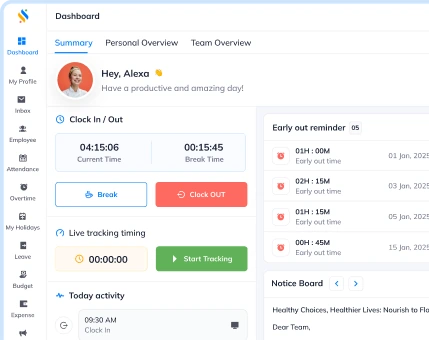
In the finance industry, mastering the payroll process is crucial for ensuring accurate and timely payment to employees, compliance with regulations, and effective cost management. This function plays a vital role in maintaining employee satisfaction and organizational efficiency. To succeed in finance, professionals need to stay updated on payroll trends, tools, and challenges to streamline processes and mitigate risks.
1. What are the key components of a payroll process in the finance industry?
The key components include data collection, calculation of wages, deductions, tax withholdings, payment processing, and compliance management.
2. How do you ensure payroll accuracy and compliance with regulations?
By conducting regular audits, staying informed about tax laws, and leveraging payroll software with built-in compliance checks.
3. Can you discuss the benefits of automating payroll processes?
Automation reduces errors, saves time, improves efficiency, enhances data security, and provides real-time insights into payroll metrics.
4. What are the common challenges faced in payroll processing for finance professionals?
Challenges include managing complex payroll structures, handling payroll for remote employees, ensuring data security, and adapting to regulatory changes.
5. How do you handle discrepancies or errors in payroll calculations?
By investigating the root cause, rectifying the error promptly, and communicating transparently with employees about the issue.
6. What role does payroll data analytics play in financial decision-making?
Payroll data analytics provide insights into labor costs, workforce productivity, trends in employee compensation, and budget forecasting.
7. How do you ensure confidentiality and data security in payroll processing?
By implementing strict access controls, encrypting sensitive data, conducting regular security assessments, and complying with data protection regulations.
8. What are the best practices for integrating payroll systems with other financial systems?
Ensuring data compatibility, automating data transfers, conducting regular reconciliations, and maintaining clear documentation of integration processes.
9. How do you stay updated on changes in payroll regulations and compliance requirements?
By subscribing to regulatory updates, attending seminars or webinars, joining professional associations, and networking with peers in the industry.
10. Can you explain the impact of payroll processing on cash flow management in finance?
Accurate payroll processing ensures that cash flow projections align with actual expenses, helping organizations maintain financial stability and liquidity.
11. How do you handle payroll processing during mergers or acquisitions?
By conducting thorough due diligence, coordinating with HR and finance teams, aligning payroll policies, and communicating changes to employees effectively.
12. What role does payroll play in employee engagement and retention?
Timely and accurate payroll processing fosters trust, demonstrates organizational transparency, and enhances employee satisfaction, contributing to higher retention rates.
13. How do you handle international payroll processing for multinational finance companies?
By understanding local tax laws, coordinating with global payroll providers, managing currency conversions, and ensuring compliance with international regulations.
14. What strategies do you use to optimize payroll processes for cost efficiency?
By identifying and eliminating inefficiencies, leveraging technology for automation, negotiating better vendor contracts, and implementing process improvements.
15. How do you ensure payroll continuity during system upgrades or downtime?
By creating backup plans, testing system updates in advance, communicating with stakeholders, and having contingency measures in place to process payroll manually if needed.
16. Can you discuss the role of payroll in strategic workforce planning for finance organizations?
Payroll data helps in analyzing labor costs, identifying staffing needs, evaluating compensation strategies, and aligning workforce planning with business goals.
17. How do you handle confidential employee information in payroll processing?
By following strict data protection protocols, limiting access to sensitive data, encrypting files, and ensuring compliance with privacy laws.
18. What are the considerations when transitioning to a new payroll system in the finance industry?
Key considerations include data migration, employee training, system testing, vendor support, compliance checks, and ensuring minimal disruption to payroll operations.
19. How do you ensure payroll processes align with the organization’s budget and financial goals?
By monitoring payroll costs, analyzing variances, collaborating with finance teams, adjusting payroll strategies as needed, and aligning payroll expenses with overall financial objectives.
20. Can you discuss the role of payroll in internal controls and audit compliance in finance?
Payroll processes should have segregation of duties, audit trails, regular reconciliations, and documentation to ensure compliance with internal control standards and facilitate audits.
21. How do you handle payroll reporting requirements for regulatory compliance in the finance sector?
By generating accurate reports, submitting filings on time, maintaining detailed records, and collaborating with compliance teams to address any discrepancies or issues.
22. What are the trends in payroll technology that are impacting the finance industry?
Trends include cloud-based payroll solutions, AI-driven analytics, mobile payroll applications, integration with HR systems, and enhanced cybersecurity measures to protect payroll data.
23. How do you ensure payroll processes are scalable to accommodate business growth in the finance sector?
By selecting flexible payroll systems, establishing standardized processes, automating repetitive tasks, and periodically reviewing and optimizing payroll workflows to support scalability.
24. Can you discuss the role of payroll in cost allocation and financial reporting for finance professionals?
Payroll data is used to allocate labor costs to different projects or departments, track expenses, analyze profitability, and prepare financial statements for decision-making.
25. How do you handle employee inquiries and concerns related to payroll processing?
By providing timely and accurate responses, offering self-service options, conducting training for employees on payroll processes, and ensuring open communication channels for feedback.
26. What are the best practices for ensuring payroll data integrity and accuracy in the finance industry?
Implementing data validation checks, conducting regular audits, maintaining data backups, restricting access to authorized personnel, and ensuring compliance with data protection regulations.
27. How do you address payroll-related risks, such as fraud or unauthorized access, in finance organizations?
By implementing segregation of duties, monitoring system access, conducting background checks on payroll staff, using encryption for sensitive data, and establishing a fraud prevention program.
28. How do you collaborate with cross-functional teams, such as HR and IT, to improve payroll processes in the finance industry?
By aligning goals, sharing data insights, coordinating system integrations, conducting joint training sessions, and fostering a culture of collaboration and continuous improvement.
29. Can you explain the impact of payroll errors on financial reporting and compliance in the finance sector?
Payroll errors can lead to inaccuracies in financial statements, compliance violations, penalties, reputational damage, and legal risks, emphasizing the importance of accurate payroll processing.
30. How do you ensure continuous learning and development in payroll processing to stay ahead in the finance industry?
By attending training programs, obtaining certifications, participating in industry conferences, networking with peers, and keeping abreast of emerging trends and technologies in payroll management.