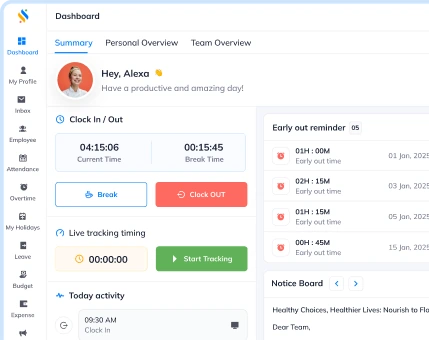
Payroll processing is a critical function in the Finance / HR Operations industry, ensuring employees are accurately compensated and compliant with regulations. Mastering payroll processing can enhance organizational efficiency and financial transparency. Modern challenges include staying updated on tax laws, using advanced payroll software, and ensuring data security.
1. How do you ensure accuracy in payroll processing?
Regularly audit payroll data, reconcile reports, and implement validation checks.
2. What payroll software have you worked with, and how did it streamline processes?
I have experience with ADP and Workday, which automated tax calculations and improved data accuracy.
3. How do you stay updated with changing payroll regulations?
Subscribe to industry newsletters, attend webinars, and participate in training programs.
4. Can you explain the process of handling payroll discrepancies?
Investigate discrepancies promptly, correct errors, and communicate transparently with employees.
5. What steps do you take to ensure payroll data security?
Implement encryption protocols, restrict access to sensitive data, and conduct regular security audits.
6. How do you handle payroll for employees with variable pay structures?
Use custom payroll templates, track individual performance metrics, and adjust calculations accordingly.
7. What key metrics do you monitor to evaluate payroll processing efficiency?
I track payroll accuracy rates, processing time, and compliance with labor regulations.
8. How do you handle payroll for remote or international employees?
Understand tax implications, coordinate with global payroll providers, and ensure compliance with local laws.
9. Can you discuss a challenging payroll project you successfully managed?
I led the transition to a new payroll system, ensuring minimal disruption and accurate data migration.
10. How do you address employee inquiries or concerns related to payroll?
Provide clear communication channels, offer timely responses, and educate employees on payroll processes.
11. In your opinion, what are the common pain points in payroll processing?
Data entry errors, compliance complexities, and integrating payroll with other HR systems.
12. How do you ensure confidentiality when handling sensitive payroll information?
Adhere to strict data protection policies, limit access to authorized personnel, and use secure communication channels.
13. What role does automation play in modern payroll processing?
Automation reduces manual errors, speeds up processing, and allows for better scalability.
14. How do you verify the accuracy of payroll tax calculations?
Regularly cross-check tax tables, validate deductions, and review reports for discrepancies.
15. Can you explain the importance of compliance in payroll processing?
Compliance ensures adherence to labor laws, avoids penalties, and maintains employee trust.
16. How do you handle garnishments and deductions in payroll?
Follow legal guidelines, prioritize payments, and maintain accurate records for auditing purposes.
17. What strategies do you use to streamline payroll processing for a large workforce?
Implement batch processing, use self-service portals, and leverage cloud-based payroll solutions.
18. How do you handle year-end payroll processes and reporting?
Prepare W-2 forms, reconcile payroll data, and ensure compliance with tax filing deadlines.
19. How do you approach training new team members on payroll processing?
Provide hands-on training, document standard procedures, and offer mentorship for complex scenarios.
20. Can you discuss a time when you identified and resolved a payroll compliance issue?
I discovered an underpayment error and rectified it promptly, ensuring compliance with wage laws.
21. How do you prioritize tasks when facing tight payroll deadlines?
Prioritize critical tasks, delegate responsibilities, and communicate effectively with stakeholders.
22. What reports do you generate to analyze payroll costs and trends?
I create payroll summaries, variance reports, and cost analysis reports for management review.
23. How do you ensure payroll processing aligns with budgetary constraints?
Regularly monitor payroll expenses, identify cost-saving opportunities, and adjust processing as needed.
24. How do you handle overtime calculations and approvals in payroll?
Follow company policies, track hours accurately, and obtain necessary approvals before processing payments.
25. What role does communication play in successful payroll processing?
Clear communication fosters transparency, resolves discrepancies faster, and builds trust with employees.
26. How do you handle union agreements and collective bargaining considerations in payroll?
Review union contracts, apply negotiated terms accurately, and maintain compliance with labor agreements.
27. Can you discuss the integration of payroll data with other HR systems for seamless operations?
I ensure payroll data syncs with HRIS platforms, benefits systems, and time tracking software for data consistency.
28. How do you ensure payroll processing meets diversity, equity, and inclusion standards?
Audit pay equity, eliminate bias in compensation, and promote fairness in payroll practices.
29. What measures do you take to address employee feedback or suggestions related to payroll processes?
Collect feedback through surveys, implement process improvements, and communicate changes transparently.
30. How do you approach continuous learning and professional development in the payroll processing field?
Attend industry conferences, pursue certifications like CPP, and stay informed about emerging payroll technologies.