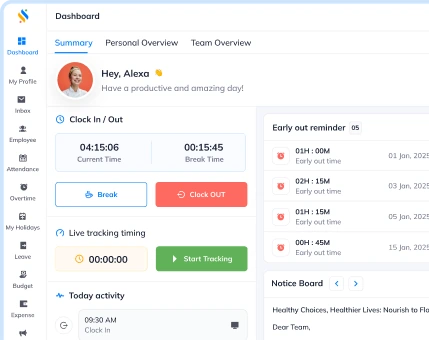
Senior UX Designers play a crucial role in the IT/Design industry by focusing on creating user-centric experiences that drive product success. Mastering UX design can lead to increased user satisfaction, higher engagement, and improved conversion rates. In today’s rapidly evolving digital landscape, staying updated on industry trends and tools is essential for Senior UX Designers to deliver cutting-edge solutions.
1. What steps do you take to understand user needs and behaviors before starting a design project?
I conduct user research, create user personas, and analyze data from usability tests to gain insights into user preferences and pain points.
2. How do you ensure your designs are accessible to users with disabilities?
I follow WCAG guidelines, conduct accessibility audits, and involve users with disabilities in the testing phase to ensure inclusive design.
3. Can you explain the importance of prototyping in the UX design process?
Prototyping helps visualize design concepts, gather feedback early on, and iterate quickly to refine the user experience before development.
4. How do you collaborate with cross-functional teams like developers and product managers during a project?
I involve stakeholders in design reviews, maintain open communication channels, and align design decisions with business goals and technical feasibility.
5. What tools do you commonly use for creating wireframes and interactive prototypes?
I use tools like Sketch, Figma, or Adobe XD for wireframing and prototyping to create interactive designs that showcase user flows and interactions.
6. How do you stay updated on the latest UX design trends and best practices?
I attend conferences, participate in online courses, and follow industry blogs to keep abreast of emerging trends and innovative approaches in UX design.
7. Can you walk us through your approach to conducting usability testing for a new feature or product?
I define test objectives, recruit participants, create test scenarios, observe user interactions, and analyze feedback to identify usability issues and opportunities for improvement.
8. How do you prioritize design features when working on a project with tight deadlines?
I focus on core user needs, collaborate with stakeholders to define priorities, and use agile methodologies like sprints to deliver incremental value within the timeframe.
9. How do you handle conflicting feedback from stakeholders and users during the design process?
I seek to understand underlying concerns, facilitate discussions to find common ground, and leverage data-driven insights to make informed design decisions that align with user needs.
10. What role do user personas play in informing your design decisions?
User personas help humanize target audiences, guide design choices based on user goals and behaviors, and ensure a user-centric approach throughout the design process.
11. How do you approach designing for multiple devices and screen sizes to ensure a consistent user experience?
I employ responsive design principles, conduct device-agnostic testing, and utilize design systems to create adaptable interfaces that maintain consistency across various devices.
12. Can you discuss a challenging UX problem you encountered and how you resolved it?
I faced a complex navigation issue by conducting user testing, iterating on design solutions, and collaborating closely with developers to implement a streamlined navigation structure that improved user engagement.
13. In your opinion, what are the key differences between UX design and UI design?
UX design focuses on the overall user experience, including research, usability, and interaction design, while UI design deals with the visual aesthetics and interactive elements of a product.
14. How do you approach creating design systems to maintain consistency across products and platforms?
I establish design principles, create reusable components, and document guidelines to ensure visual and functional consistency, scalability, and efficiency in design production.
15. How do you measure the success of a UX design project?
I track key performance indicators like conversion rates, user engagement metrics, and task completion rates, and gather qualitative feedback through user surveys and usability testing to assess the impact of design changes.
16. What strategies do you use to advocate for user-centered design within an organization?
I share user research insights, conduct design workshops, and demonstrate the value of user-centric approaches through prototypes and usability testing results to build a culture of empathy for users across teams.
17. How do you ensure your designs align with brand guidelines and business objectives?
I collaborate with brand and marketing teams, reference brand style guides, and incorporate business goals into design decisions to maintain brand consistency and support organizational objectives.
18. Can you discuss a time when you had to pivot your design direction based on user feedback or data?
I received feedback indicating a feature was confusing to users, prompting me to iterate on the design, conduct additional testing, and ultimately refine the feature based on user insights to enhance usability.
19. How do you approach designing for international audiences with diverse cultural backgrounds and languages?
I conduct cultural research, collaborate with native speakers for translation and localization, and design interfaces that accommodate different reading patterns, visuals, and interaction preferences to create inclusive experiences for global users.
20. What role does empathy play in UX design, and how do you incorporate it into your process?
Empathy is essential for understanding user needs, motivations, and emotions. I use techniques like user interviews, empathy mapping, and persona development to cultivate empathy and design with users in mind.
21. How do you address performance considerations, such as page loading times and interactions, in your designs?
I optimize assets for web performance, conduct performance audits, and collaborate with developers to implement efficient design solutions that prioritize speed, accessibility, and seamless user interactions.
22. Can you share your experience working with Agile or Scrum methodologies in UX design projects?
I participate in sprint planning, conduct design reviews, and collaborate closely with cross-functional teams to deliver iterative design solutions that align with sprint goals and adapt to changing project requirements.
23. What are some common pitfalls to avoid when conducting user research for UX design?
Avoiding bias, recruiting a diverse participant pool, and ensuring research methods align with project goals are crucial to obtaining accurate insights and making informed design decisions based on user needs.
24. How do you handle constructive criticism of your design work and use it to improve your skills?
I welcome feedback as an opportunity for growth, seek specific insights on areas for improvement, and iteratively refine my designs based on feedback to enhance my skills and deliver better user experiences.
25. Can you discuss a time when you had to balance user preferences with business requirements in a design decision?
I reconciled conflicting priorities by conducting user testing to validate design choices, aligning business goals with user needs, and finding a compromise that satisfied both user expectations and business objectives in the final design solution.
26. How do you address the challenge of maintaining design consistency across a product with evolving features and updates?
I update design systems, communicate changes across teams, and conduct regular design reviews to ensure consistency, scalability, and alignment with evolving product requirements while maintaining a cohesive user experience.
27. What strategies do you use to gather feedback from stakeholders and incorporate it into your design process?
I conduct stakeholder interviews, present design concepts for feedback, and use collaborative tools to gather input from stakeholders, align perspectives, and integrate valuable feedback into design iterations.
28. How do you approach designing for emerging technologies like AR/VR and voice interfaces?
I explore design patterns specific to each technology, conduct usability testing with target users, and leverage interaction principles to create intuitive experiences that leverage the unique capabilities of AR/VR and voice interfaces.
29. Can you discuss a time when you had to advocate for a design decision that was initially met with resistance?
I presented user research findings, demonstrated the rationale behind the design decision, and showcased the potential impact on user experience to build consensus and gain buy-in for the design direction despite initial resistance.
30. How do you approach creating personalized user experiences while respecting user privacy and data security?
I prioritize user consent, comply with data protection regulations, and use anonymized data and user preferences to tailor experiences, ensuring transparency and user control over personal information for personalized but privacy-conscious designs.