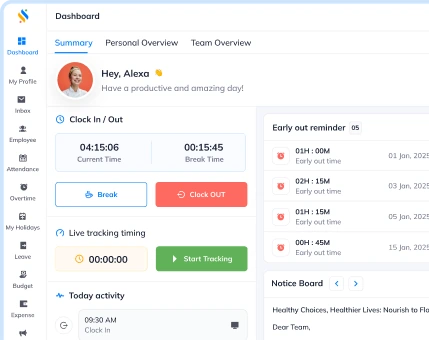
In the Other industry, proficiency in Simple is crucial for streamlining operations, enhancing efficiency, and delivering exceptional customer experiences. Mastering Simple tools and techniques can significantly impact decision-making processes and drive innovation. As technology continues to evolve, staying adept at Simple practices is essential to stay competitive in the dynamic Other sector.
1. How would you define the concept of simplicity in the context of the Other industry?
Simplicity in the Other industry refers to the ability to streamline processes, eliminate unnecessary complexities, and create straightforward solutions that enhance user experiences.
2. Can you provide an example of how implementing Simple strategies has improved a process in a previous role?
By simplifying the customer onboarding process through automated forms and clear instructions, we reduced onboarding time by 30% in my previous role.
3. What role does simplicity play in fostering innovation within the Other sector?
Simplicity fosters innovation by encouraging creative problem-solving, reducing barriers to adoption of new technologies, and enabling rapid prototyping and testing of ideas.
4. How do you ensure that simplicity is maintained when scaling a project or service in the Other industry?
When scaling a project, I prioritize modular designs, clear communication channels, and regular feedback loops to ensure simplicity is preserved throughout the growth process.
5. What are some common challenges faced when trying to implement Simple practices in a complex organizational structure?
Resistance to change, competing priorities, and entrenched processes are common challenges when implementing Simple practices in a complex organizational structure.
6. How do you balance the need for simplicity with the desire for customization in delivering solutions in the Other industry?
I strive to offer customizable options within a simple framework by identifying common needs, providing flexible features, and offering clear guidance on customization parameters.
7. What tools or methodologies do you rely on to simplify complex data analysis tasks in the Other sector?
I leverage data visualization tools like Tableau, and employ agile methodologies such as Scrum to break down complex data analysis tasks into manageable components.
8. How do you measure the effectiveness of Simple strategies implemented in a project within the Other industry?
I measure the effectiveness of Simple strategies by tracking key performance indicators related to efficiency, user satisfaction, and process improvements before and after implementation.
9. In your opinion, how can a focus on simplicity drive customer loyalty and retention in the Other sector?
By providing intuitive interfaces, streamlined processes, and personalized experiences, simplicity can enhance customer satisfaction, leading to increased loyalty and retention.
10. How do you stay updated on the latest trends and best practices in simplifying operations within the Other industry?
I regularly attend industry conferences, participate in online forums, and engage in continuous learning to stay informed about the latest trends and best practices in simplifying operations.
11. Can you share a successful experience where applying Simple principles led to a significant cost-saving initiative in the Other sector?
By streamlining inventory management processes and optimizing supply chain logistics, we reduced operational costs by 15% in a previous project.
12. How do you communicate the benefits of simplicity to stakeholders who may prioritize features over simplicity in the Other industry?
I emphasize how simplicity can improve user adoption, reduce training costs, and enhance overall user experience, aligning these benefits with stakeholders’ goals and objectives.
13. What role does user feedback play in the continuous improvement of Simple practices within the Other sector?
User feedback is essential for identifying pain points, understanding user preferences, and iterating on Simple solutions to ensure they meet user needs effectively.
14. How do you approach training and upskilling teams to embrace Simple methodologies in their daily work in the Other industry?
I provide hands-on training sessions, create user-friendly guides, and offer ongoing support to help teams understand the value of Simple methodologies and implement them effectively.
15. What strategies do you employ to ensure that simplicity is maintained in a fast-paced and dynamic environment within the Other sector?
I prioritize regular reviews of processes, encourage open communication, and empower team members to suggest and implement simplification initiatives to adapt to changing circumstances.
16. How do you handle situations where stakeholders request additional features that may compromise the simplicity of a solution in the Other industry?
I conduct a cost-benefit analysis to evaluate the impact of adding new features on user experience, project timelines, and overall goals, and collaborate with stakeholders to find a balanced solution that maintains simplicity while addressing their needs.
17. Can you share an example of a time when prioritizing simplicity over complexity resulted in a more user-friendly product or service in the Other sector?
By removing unnecessary steps in the checkout process and simplifying product options, we increased conversion rates by 20% and improved user satisfaction in a previous project.
18. How do you ensure that a Simple approach aligns with regulatory requirements and industry standards in the Other sector?
I conduct regular audits, stay informed about regulatory updates, and collaborate with compliance teams to ensure that Simple practices comply with all relevant regulations and industry standards.
19. What steps do you take to encourage a culture of simplicity and continuous improvement within a team in the Other industry?
I foster a culture of open communication, recognize and reward simplification efforts, and encourage team members to share ideas for improving processes and enhancing simplicity in their daily work.
20. How do you prioritize simplification efforts when faced with competing demands and limited resources in the Other sector?
I conduct a prioritization exercise based on impact and feasibility, involve stakeholders in decision-making, and focus on simplification efforts that offer the greatest benefits with the available resources.
21. What role does collaboration play in implementing Simple practices across different departments or teams in the Other industry?
Collaboration is essential for sharing best practices, aligning goals, and ensuring consistency in Simple practices across departments or teams in the Other industry.
22. How do you address resistance to change when introducing Simple methodologies in a traditional or established organization in the Other sector?
I engage key stakeholders early, provide clear rationales for simplification efforts, offer training and support, and demonstrate the benefits of Simple practices through pilot projects to address resistance to change effectively.
23. Can you share a situation where a lack of simplicity led to inefficiencies or errors in a project within the Other industry?
Due to a complex approval process with multiple layers, we experienced delays and miscommunications that resulted in project setbacks and errors in a previous project.
24. How do you ensure that Simple solutions are scalable and adaptable to meet evolving business needs in the Other sector?
I design Simple solutions with flexibility in mind, conduct regular reviews and updates, and plan for scalability by modularizing components and anticipating future requirements in the Other sector.
25. What strategies do you employ to ensure that a Simple approach does not compromise security or data integrity in the Other industry?
I prioritize security measures, conduct regular security audits, and collaborate with cybersecurity experts to ensure that Simple practices align with data protection regulations and safeguard sensitive information in the Other industry.
26. How do you incorporate user-centered design principles into Simple solutions to enhance usability and accessibility in the Other sector?
I conduct user research, create personas, and employ usability testing to ensure that Simple solutions are intuitive, user-friendly, and accessible to a diverse range of users in the Other sector.
27. What are the key benefits of adopting Simple methodologies in project management within the Other industry?
The key benefits include improved project transparency, faster decision-making, reduced risks, and enhanced collaboration among team members in the Other industry.
28. How do you leverage automation and technology to simplify repetitive tasks and processes in the Other sector?
I identify repetitive tasks, assess automation opportunities, and implement tools like robotic process automation (RPA) or workflow automation to streamline processes and free up time for more strategic activities in the Other sector.
29. Can you share an example of a successful collaboration where Simple principles were instrumental in achieving project goals in the Other industry?
By aligning project objectives, setting clear communication channels, and simplifying decision-making processes, we successfully launched a new product within the set timeline and budget in a collaborative project.
30. How do you handle situations where simplicity may conflict with innovation or creativity in developing solutions for challenges in the Other sector?
I strive to strike a balance between simplicity, innovation, and creativity by encouraging experimentation within a simple framework, prioritizing user needs, and iterating on ideas to ensure both simplicity and innovation are achieved in developing solutions.