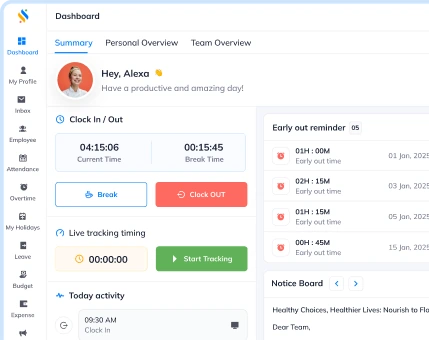
UX Designers play a crucial role in the design industry by focusing on enhancing user experience through intuitive and user-friendly interfaces. Mastering UX design is essential for success as it directly impacts customer satisfaction, retention, and overall business growth. In today’s rapidly evolving digital landscape, staying updated on trends and tools is key to delivering impactful designs that meet user needs and business goals.
1. What are the key differences between UX and UI design?
UX design focuses on the overall user experience, while UI design deals with the visual elements and interface design.
2. Can you explain the importance of user research in UX design?
User research helps designers understand user behaviors, preferences, and pain points, leading to more informed design decisions.
3. How do you approach creating user personas for a design project?
Creating user personas involves researching and defining fictional characters that represent different user types with distinct needs and goals.
4. What role does wireframing play in the UX design process?
Wireframing helps visualize the layout and structure of a design, focusing on functionality and user flow before adding visual design elements.
5. How do you ensure your designs are accessible to all users?
Designing with accessibility in mind involves following best practices like using proper color contrast, providing alternative text for images, and ensuring keyboard navigation.
6. Can you discuss the importance of prototyping in UX design?
Prototyping allows designers to test and iterate on design concepts, gather feedback early in the process, and refine the user experience before final implementation.
7. How do you stay updated on the latest design trends and tools in the industry?
I regularly engage with design communities, attend conferences, and follow design blogs and publications to stay informed about emerging trends and tools.
8. What steps do you take to collaborate effectively with cross-functional teams during a design project?
Effective collaboration involves clear communication, active listening, seeking input from team members, and aligning on project goals and timelines.
9. How do you approach conducting usability testing for a design project?
Usability testing involves observing users interact with the design, collecting feedback on usability issues, and identifying areas for improvement.
10. Can you explain the concept of information architecture in UX design?
Information architecture focuses on organizing and structuring content within a design to make information easily accessible and understandable for users.
11. How do you handle conflicting feedback from stakeholders during the design process?
I assess the feedback objectively, identify common themes or goals, and work towards finding a solution that addresses the needs of both users and stakeholders.
12. What methods do you use to conduct user testing on a limited budget?
Remote testing, guerrilla testing, and utilizing online tools for feedback collection are cost-effective ways to conduct user testing on a limited budget.
13. How do you prioritize features when designing a product with tight deadlines?
I prioritize features based on user needs and project goals, focusing on essential functionalities that deliver the most value within the given timeframe.
14. Can you share your approach to creating intuitive navigation in a design project?
Creating intuitive navigation involves organizing content logically, using clear labels and visual cues, and ensuring a seamless user flow throughout the design.
15. How do you address performance optimization in UX design, especially for mobile platforms?
Performance optimization involves optimizing images, minimizing code, and prioritizing content loading to ensure fast and responsive user experiences on mobile platforms.
16. What strategies do you employ to gather feedback from users after a design launch?
I use surveys, feedback forms, user analytics, and monitoring tools to gather post-launch feedback, analyze user behavior, and identify areas for improvement.
17. How do you incorporate user feedback into iterative design processes?
I analyze user feedback, prioritize actionable insights, and iteratively refine the design based on user input to enhance the overall user experience.
18. Can you discuss the role of empathy in UX design and how it influences design decisions?
Empathy allows designers to understand user emotions, motivations, and challenges, leading to more user-centric design decisions that resonate with the target audience.
19. How do you ensure consistency in design elements across different platforms and devices?
Establishing design systems, using style guides, and conducting thorough testing on various devices help maintain consistency in design elements across platforms and devices.
20. Can you explain the importance of storytelling in UX design?
Storytelling helps designers create engaging user experiences by guiding users through a narrative that connects with their emotions and enhances the overall user journey.
21. How do you approach designing for multiple user personas with diverse needs and preferences?
I conduct user research to understand the unique needs of each persona, prioritize features based on user goals, and create personalized experiences that cater to different user segments.
22. What role does A/B testing play in optimizing user experiences?
A/B testing allows designers to compare different design variations, gather data on user preferences, and make data-driven decisions to optimize user experiences.
23. How do you address user retention and engagement challenges in UX design?
Addressing user retention and engagement involves designing personalized experiences, implementing gamification elements, and continuously iterating based on user feedback to keep users engaged.
24. Can you discuss the impact of microinteractions on user experience and how you implement them in your designs?
Microinteractions enhance user engagement by providing feedback, guiding users through tasks, and creating delightful moments within the user interface. I implement microinteractions to make interactions more intuitive and engaging.
25. How do you approach designing for users with varying levels of digital literacy?
I design with simplicity and clarity in mind, provide clear instructions and visual cues, and offer on-screen guidance to accommodate users with varying levels of digital literacy.
26. Can you share your experience with designing for international audiences and addressing cultural differences in UX design?
Designing for international audiences involves considering cultural norms, language preferences, and visual aesthetics to create inclusive and culturally relevant user experiences that resonate with diverse global audiences.
27. How do you advocate for user-centered design principles within an organization?
I educate stakeholders on the benefits of user-centered design, present user research findings, and demonstrate how incorporating user feedback leads to better products and increased customer satisfaction.
28. What strategies do you use to keep up with evolving technologies and their impact on UX design?
I engage in continuous learning, experiment with new tools and technologies, attend workshops, and collaborate with technical teams to understand how emerging technologies can enhance user experiences.
29. How do you measure the success of a UX design project, and what metrics do you consider?
I measure success based on metrics like conversion rates, user satisfaction scores, task completion rates, and usability testing results to evaluate the effectiveness of the design in meeting user and business objectives.
30. How do you approach redesigning an existing product or interface to improve user experience?
I conduct a thorough audit of the existing design, collect user feedback and pain points, identify areas for improvement, and iteratively redesign the product to enhance usability and user satisfaction.