Have you ever found yourself in a situation where you got stuck due to inventory? Inventor issues are pretty common in every business. But no matter how much we hate it, there is no other way. If you are thinking the same, then sorry, my friend, but you are wrong. There is a solution to save your field service team from such unexpected situations. And this blog is all about it. In this blog, we will share with you exactly what inventory management is and how you can solve inventory management challenges smartly. So without talking anymore, let’s get started.
What is Inventory Management?
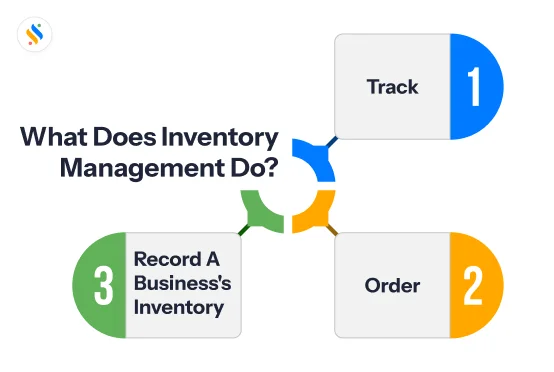
Do you remember the childhood days when your mom used to send you to the grocery shop for grocery shopping? Inventory management is just like that—it’s a list of inventories you have. So, in general, inventory management is a process where you track, order, record, and use a business’s inventory. Now when I say a business’s inventory, it can be anything—raw materials, goods, or even parts. You might ask why we should do it.
Well! It helps us in smooth operations, minimizes cost, and skips significant costs like stockouts or overstocking. For example, a retailer always wants to keep his popular items in stock but doesn’t want to keep excess of them to avoid inventory that is left unsold.
Similarly, the challenges in construction industry include tracking materials like cement or steel to complete projects on time. For logistics and maintenance sectors also, efficient inventory management is very useful. It helps field service employees and other employees to keep track of parts and tools in real time. As a result, it makes sure that field teams don’t have to face any missing inventory issues.
How does inventory management help in business?
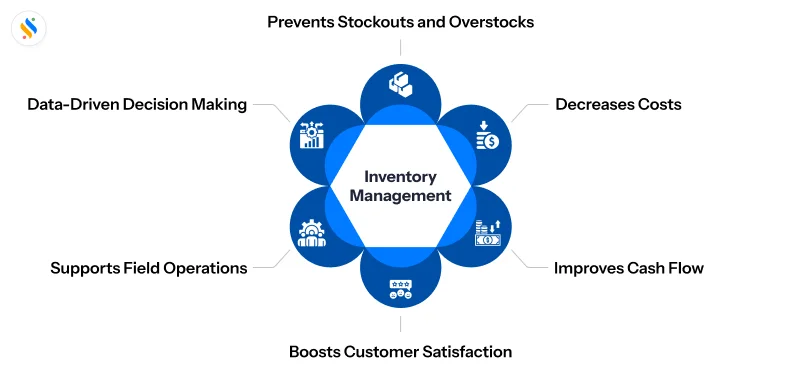
If you are thinking inventory management is just about traditional stock counting or stock availability, then that’s not the story here; it’s indeed about supercharging business operations.
Prevents Stockouts and Overstocks:
Proper inventory management makes sure businesses always have products lined up to match customer needs and also avoid any excessive stock. For example, a retail store that uses mobile field service software can analyze inventory levels in real-time, restocking the items that most sell before they get out of stock.
Decreases Costs:
Overstocking inventory can result in increased costs of storage space, and products left unsold become a financial burden. By simplifying the inventory levels, businesses can remove unnecessary expenses and increase profits.
Improves Cash Flow:
With an optimized inventory management system, businesses only invest in the inventory they need. This frees up cash to be used in other areas, like marketing or product development and decreases te inventory management problems.
Boosts Customer Satisfaction:
Ever ordered something online only to get an “out of stock” email later? Effective inventory management avoids these situations, ensuring customers get what they want on time.
Supports Field Operations:
Industries with field operations – such as maintenance, repair, or construction—benefit immensely from centralized inventory tracking system. Mobile field service software lets teams know exactly what tools and materials are available, reducing downtime and improving service delivery.
Data-Driven Decision Making:
Modern inventory management software provide real-time data. Businesses can analyze trends, identify best-selling products, and precisely plan for seasonal demand spikes.
By streamlining inventory processes and solving inventory problems, businesses not only cut costs but also improve overall operational efficiency. Ready to dive into the inventory management challenges faced by businesses?
Tired of inventory headaches?
Simplify your operations with field force management systems today!
Common Inventory management challenges
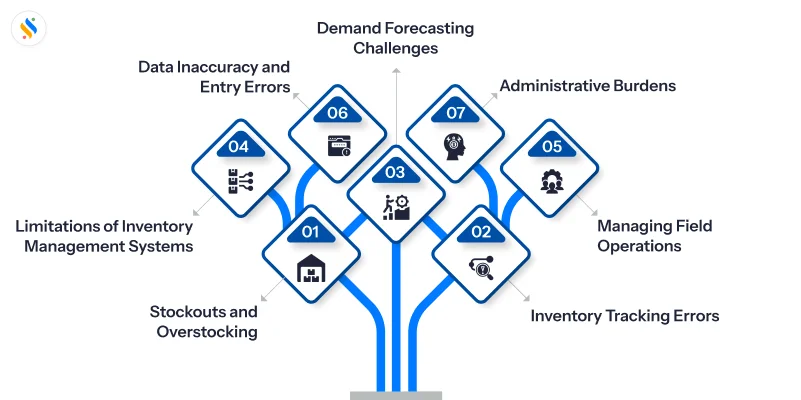
1. Stockouts and Overstocking
Maintaining a balance in inventory is one of the core challenges in inventory management. If you are running out of stock then it can affect the opportunities you come across and lead to dissatisfied customers. Whereas with overstocking or too much inventory the risk of unsold goods increases which also increases the storage costs.
For example: if a retail store considers the demand for a seasonal item too high, it invests in excess inventory which can result in significant financial loss. Same way if the seller is not able to fulfill the client’s requirement due to understock and can lose customers.
2. Inventory Tracking Errors
When you track inventory using manual inventory tracking procedures, it might happen that your recorded number and actual stock levels do not match. As a result, these errors can make your order late, affect supply chain operations, and can create unexpected problems which becomes one of the inventory management challenges.
For example: it might happen that a warehouse made a mistake in recording the quantity which resulted in poor customer experiences. By switching to an automated inventory management system you can majorly reduce tracking errors, take care that data is accurate, and help businesses to focus on growth instead of working on mistakes. It also helps to keep operations transparent and reliable.
3. Demand Forecasting Challenges
Predicting customer demand is another one of the major inventory management challenges. As preferences change from time to time, economic conditions vary, and other external factors make forecasting pretty tough. It might happen that a business underestimated demand for a certain product, which resulted in a stockout.
On the other side, if the demand is overestimated, it might happen that companies can’t sell all the products, which results in straining resources. With forecasting tools and reviewing past trends, businesses can make better decisions and resolve inventory management problems.
4. Limitations of Inventory Management Systems
Not all inventory management software works the same. Certain systems that are outdated or have basic capabilities cannot integrate with other useful business tools like HR & payroll software. This fails to give complete information on operations.
For example, a company might have issues keeping track of inventories used by the field team. It can be due to the limitations of the system. By upgrading to inventory management systems that can easily integrate with field force management systems, these inventory management challenges can be eliminated.
5. Managing Field Operations
If you are into construction or logistics, you might come across unique inventory management challenges. Field teams often require tools, materials, or parts, but not having proper tracking can cause delays. For example, a field technician might reach a job site and find that an important part is not there, which wastes valuable time.
This not just affects productivity but also customer satisfaction. Field force management software here helps businesses track the inventories that have been used in real-time, making sure that teams have all that they need to complete the job.
6. Data Inaccuracy and Entry Errors
Having the right data is the heart of effective inventory management. Nevertheless, depending on manual entry or outdated systems usually results in inaccurate information, facing issues like stock mismatches or inaccurate forecasting can become another inventory management challenge.
For example, a little mistake in recording incoming inventory could lead to overstocking or stockouts. These problems can grow into more operational inefficiencies and financial losses. Using reliable, automated inventory management software to handle inventory management challenges, you can make sure data is precise and decrease the risk of errors.
Real-time data tracking also helps businesses to make important decisions about purchasing, stocking, and managing inventory.
7. Administrative Burdens
Inventory management has many tasks that are reported again and again. It can be updating stock levels or reconciling records. For businesses that have multiple locations or large inventories, this process takes even more time.
Think of it as a warehouse manager spending most of his time cross-checking inventory, which gives him very little time for strategic planning. Such inefficiencies can negatively affect productivity and contribute to challenges of inventory management.
Field Force Management System: The One-Stop Solution
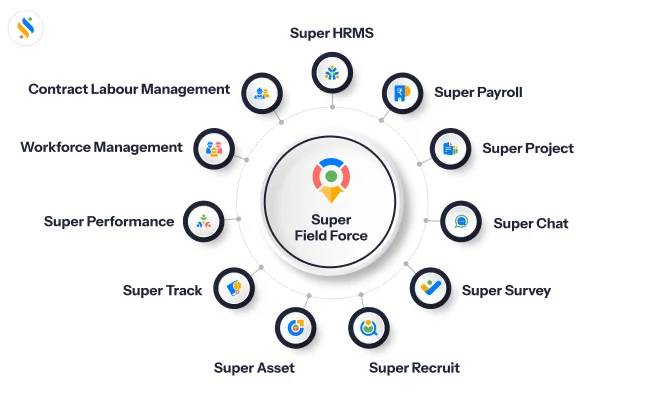
When it comes to inventory management challenges, field force management system can do wonders. It simplifies operations by skipping key processes, improving communication, and providing real-time updates. For example, businesses that have field teams like construction or service-based industries find it challenging to keep track of tools, materials, and stock in different locations.
A field force management system serves this issue with the use of real-time tracking. It makes sure field teams always have the necessary resources they need. By integrating other tools with field force management systems, you can further improve efficiency.
What do these integrations do? It centralizes inventory and employee-related processes, helping businesses track employee attendance and check time spent on tasks. This not only saves time but even decreases administrative burdens.
With such systems, businesses can solve inventory management challenges, improve resource allocation, and create a hassle-free flow of operations between field teams and central offices. These tools provide the information required by businesses to make quick, informed decisions, making sure they’re always ahead of potential problems.
Wrapping Up
That’s all for this blog! Here we saw how common inventory management challenges can be solved. We also learned how switching to smart solutions like field force management software can help businesses overcome inventory management challenges effectively. From maintaining stock levels to streamlining field operations, reducing administrative load, the right systems can make inventory management smooth and hassle-free.
Take complete control of your inventory today and set your business for success. Keep in mind that it’s not just about managing stock—it’s about optimizing your entire operation for growth. Ready to soar your operations?










