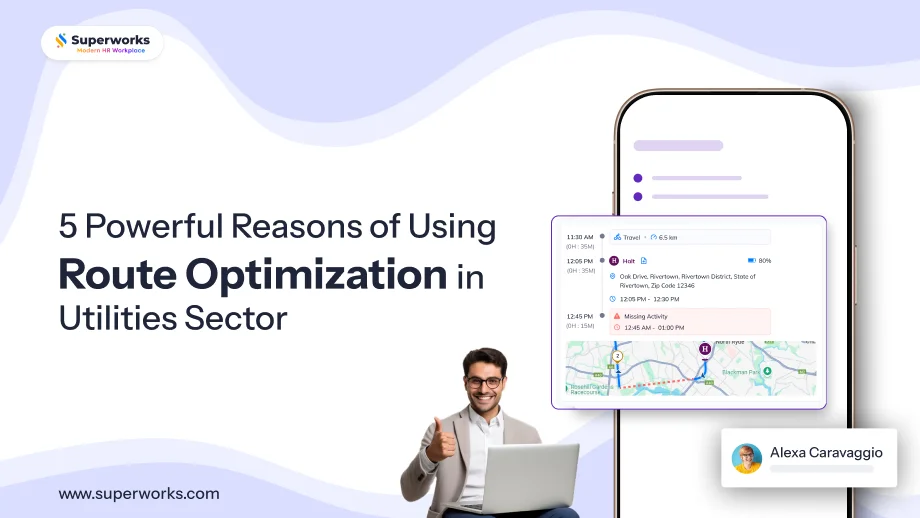
A utility company takes care of hundreds of field operations daily. It includes repairing power lines, maintaining water systems, or inspecting gas pipelines. Now think about the challenges. Traffic congestion, unpredictable delays, and inefficient routes. These not only result in wasting time but also increase fuel costs. But what if I tell you there is a way to transform this chaos into a simplified, cost-effective process? Yes! Route optimization.
You might wonder why route optimization has become popular among service companies these days. So route optimization is not just a word. It’s a solution that streamlines field operations for utility companies. With the use of advanced tools and data-based insights, utility businesses can find the most efficient routes, reduce operational costs, and take care of timely deliveries. For companies that are dependent on field teams, such as electric, water, or gas utilities, optimizing routes works wonders.
Thus, today in this blog, we’ll figure out how route optimization provides solutions to key challenges and reasons to use it. So whether you are managing a fleet of vehicles or taking care of field service operations, this blog will provide actionable solutions to help you transform your business. So let’s get started.
How do Optimized Routes Help in Efficient Route Planning?
What is Route Optimization?
The process of finding the most efficient routes for field teams and making sure that vehicles travel the shortest distance after considering points like traffic conditions, delivery windows, and service priorities is called route optimization. For utilities, this represents seamlessly handling field service operations, decreasing fuel costs, and achieving more productivity.
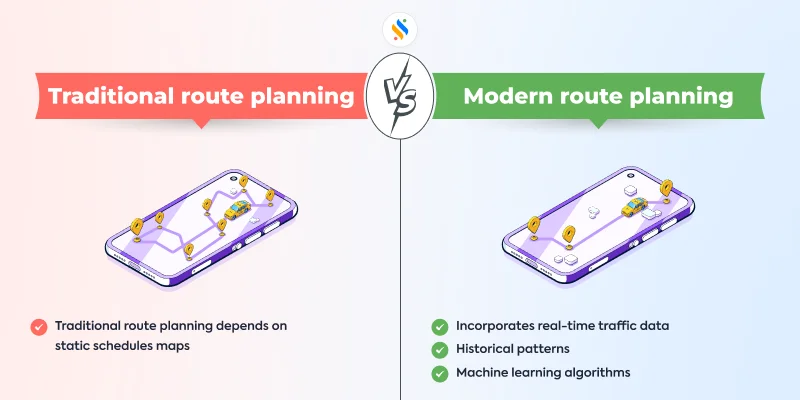
Apart from traditional route planning that depends on static schedules and maps, modern route planning incorporates real-time traffic data, historical patterns, and machine learning algorithms to provide dynamic solutions. As a result, it not only saves time but also makes sure that resources, such as fuel and vehicles, are used properly while meeting customer expectations.
With the adaptation of field force systems with such features, utility companies can:
- Reduce delays driven by traffic congestion or inefficient routing.
- Decrease fuel used and operational expenses.
- Improve customer satisfaction via timely and reliable service.
This simple shift in route planning helps utility providers to deliver quicker, smarter, and results in more cost-effective services.
Challenges in Utility Route Planning
Utility companies face a major challenge in planning, using delivery vehicles, and managing routes effectively. Taking care of numerous vehicles across vast service areas can become tricky, especially with real-time variables like traffic congestion and weather conditions. Routing problems often extend when it comes to balancing priorities like delivery windows, resource utilization, and customer needs.
Errors caused by humans, outdated planning methods, and a lack of real-time data can result in missed appointments, raised fuel consumption, and unhappy customers. Apart from that, managing multiple vehicles while handling emergencies further complicates efficient route planning. Emerging out of these challenges requires adopting field force management software that comes with features like route planning, smart navigation, and live location tracking. The best part is it aids in field audit and automates everyday tiring processes.
Simplify Your Routes and Save More!
Learn how Super Field Force can optimize your routes, reduce delays, and enhance customer satisfaction.
Why Route Optimization is Used for Utility Companies?
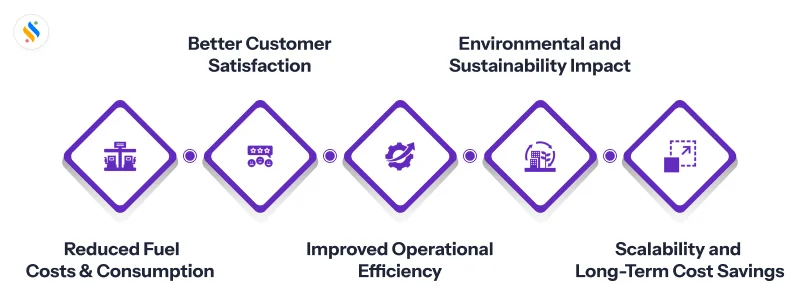
Best routes are not just about reducing travel time; it’s about modifying the way utility companies operate. Its key reasons include:
1. Reduced Fuel Costs & Consumption
When you think of utility companies, fuel is the biggest contributor that results in the largest expenses, especially for those that have a large fleet of vehicles. Inefficient routes can cause unnecessary mileage and waste fuel.
With reliable field force management software having route planning features, companies can decrease their travel distances and maximize fuel efficiency. Tools that have route planners to instruct with turn-by-turn directions, recommend the most efficient routes taking care that drivers avoid traffic congestion and take the fastest path.
Additionally, real-time traffic data combined with historical data helps the utility sector to adapt while on the go, ignoring any delays. These optimal routes not only decrease operational costs but also aid companies in meeting sustainability goals by decreasing carbon emissions. Reduced fuel consumption results in saving the extended cost over time, enabling businesses to allocate budgets more effectively.
2. Better Customer Satisfaction
Timely service delivery is important in the utility sector as it helps to retain customer trust. Late repairs, failed deliveries or missed service appointments can make customers unhappy and even result in penalties. With efficient route planning, companies can ensure timely deliveries and assign schedules to field technicians accurately.
With the use of routing software, utility providers can adjust as per changing service needs and make sure that customer issues are solved timely. In the long term, solving the vehicle routing problem can help improve customer experience and lay a foundation for long-term trust. By optimizing delivery routes utility companies can handle high-priority or emergency calls smoothly without disrupting any pre-planned operations, guaranteeing service reliability across the board.
3. Improved Operational Efficiency
Efficiently planning routes helps utility companies manage more tasks in a day without making your wallet cry. Advanced route planning tools help in better resource utilization, helping fleet managers allocate vehicles and technicians based on priority and proximity.
Real-time data integration makes sure that dispatchers can accommodate last-minute changes in case of equipment failures or urgent repairs, without causing delays. Companies can also keep track of delivery drivers and vehicles to improve delivery efficiency and make sure that field teams remain productive throughout the day. The result? Lower operational costs, decreased downtime, and streamlined workflows that maximize business performance.
4. Environmental and Sustainability Impact
Utility companies are paying attention to reducing their environmental footprint. On-demand routing works in its favour by decreasing fuel usage, reducing emissions, and making sure that vehicles are utilized efficiently. By using cost-effective routes, companies can play their part in sustainability initiatives and take the benefit of lower operating costs.
The use of data-driven best route optimization software further helps in smarter fleet management, making sure there is no resource wastage. This further aligns with corporate social responsibility goals and improves the company’s reputation in the market.
5. Scalability and Long-Term Cost Savings
With the use of route optimization algorithms, businesses can scale their operations seamlessly without making any proportional increases in costs. Field force systems provide a long-term solution to routing problems, making sure the performance remains unaffected as service demands evolve.
Efficient routes also decrease wear and tear on vehicles, resulting in lower maintenance expenses over time. When route options are integrated with GPS tracking and real-time traffic updates, utilities can optimize operational costs while supporting service excellence.
Wrapping Up
That’s all for this blog. Here we saw how route optimization transforms utility field operations by decreasing fuel costs, improving customer satisfaction, enhancing efficiency, and contributing to sustainability goals. We also discussed the scalability and long-term gains that you can get using route optimization. These essential pointers make it important for companies in the utility sector. To uplift your field operations, go for a field audit or a handy mobile field service software.
Implementing route optimization features and techniques is no longer optional—it’s essential for utility businesses that wish to simplify their operations and stay competitive. From managing real-time data to helping in smarter decision-making, optimized routes support unparalleled efficiency and cost savings.
Additionally, integrating HRMS & payroll software helps in smarter field force management, while employee productivity tracking further improves operational efficiency and helps identify areas for improvement.
Ready to take your utility operations to the next level? Start using Super Field Force, which can make route optimization a cakewalk. Start your free trial today and see how a field service management system can help your business soar.