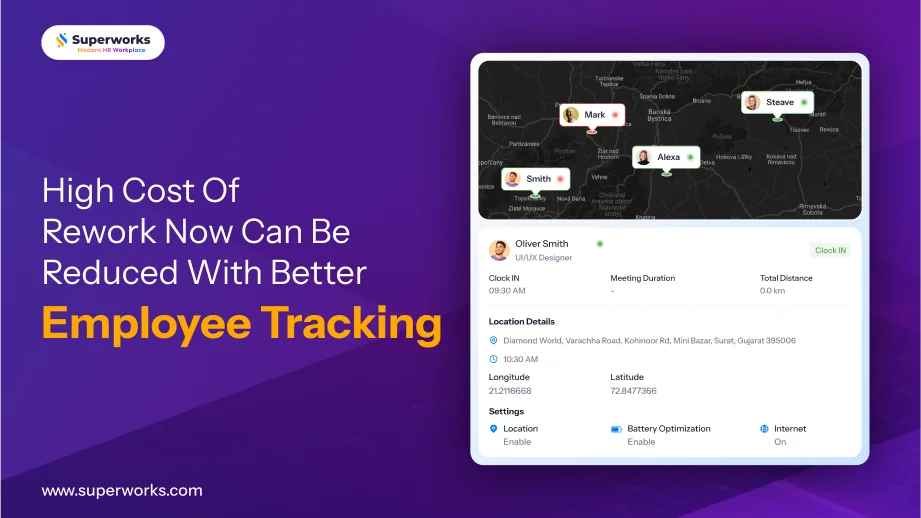
Rework in this field service isn’t just an inconvenience—but rather it’s also considered a profit-draining issue that keeps crippling your business over time. Because from missed deadlines to dissatisfied clients, the cost of the rework in this field is so high, that it starts to create a ripple effect of errors! A ripple effect that you can stop before even existing if you had better employee tracking!
But the question keeps popping inside our heads, that how can we end such struggle with a finer monitoring features of employee tracking? How can you just choose employee monitoring software or field force management software and save your company from making costly mistakes?
Employee productivity and consistent tracking ensures that your remote workforce operates efficiently, minimizing the chances of errors. This blog explores how insufficient tracking leads to rework, the financial toll it takes, and how implementing modern employee monitoring software can save the day.
What is Employee Tracking?
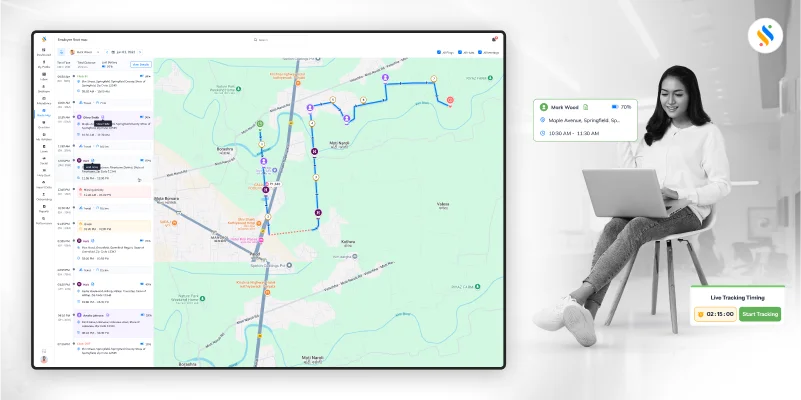
Employee tracking refers to the process of monitoring and easily managing employee activities, their locations, and their productivity with the help of monitored data! And all of this is possible due to the GPS tracking of employees done by the field software!
Here, the activity tracking of field employees takes place in real time through the company devices! And with the help of those devices, the business owner and even the managers can easily analyze employee work patterns to boost employee engagement, and the time that employees spend on each task, and it also can help in pointing out employee distractions!
With this feature, you can help optimize productivity of employees by simply collecting data [without disturbing employee privacy] and then utilizing it to improve operational efficiency.
Numerous business processes have started Top Employee Monitoring Software usage to do the behavior analytics of their employees! Here, you should check employee monitoring software cost and introduce to your system to employ GPS tracking, automated time tracking, and activity monitoring to provide businesses with valuable insights.
For instance, companies can use employee monitoring software tracking to monitor and know the exact location of their field staff or deploy field service management systems to ensure the timely completion of assignments.
By implementing an effective employee tracking system to monitor employee computer activity, businesses can optimize workforce productivity, enhance accountability & reduce operational errors. It’s no longer just about keeping tabs on employees; it’s about empowering them to deliver better results.
Insufficient Employee Tracking & Rework Problems
When employee tracking systems are inadequate or missing, businesses face a cascade of challenges, especially in field service operations. Without proper oversight, there’s data breaches, keystroke logging problems, errors related employee go unnoticed, tasks remain incomplete, and customer dissatisfaction grows. The lack of a structured employee tracking system is a major contributor to these inefficiencies.
How Insufficient Tracking Causes Rework?
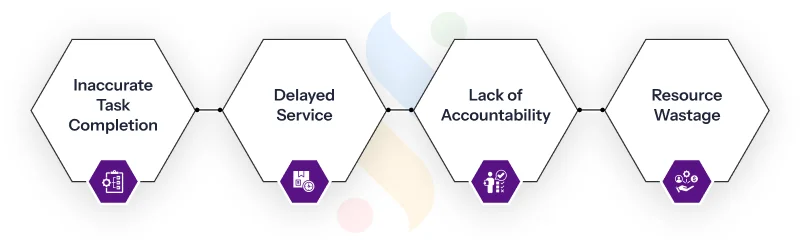
Inaccurate Task Completion
Without real-time monitoring, employees may misinterpret assignments or fail to meet quality standards, resulting in costly rework.
Delayed Service
Inadequate tracking employee productivity software prevents managers from identifying and addressing delays promptly no matter what apps and websites they are using, and that leads to missed deadlines and unhappy clients.
Lack of Accountability
Without clear tracking mechanisms, it becomes challenging to determine who is responsible for errors, leaving room for recurring mistakes.
Resource Wastage
Rework consumes valuable resources—time, labor, and materials—that could have been allocated to new projects.
The Cost of Rework
Rework impacts more than just the bottom line, because it goes beyond that and diminishes employee productivity report, reduces customer trust, and can strain relationships with stakeholders. For businesses reliant on remote or field-based teams, robust employee monitoring tools are critical to avoiding these pitfalls.
With proper tracking [with the help of software monitoring], businesses can measure productivity tracking, reduce downtime, and ensure tasks are done right the first time.
Understanding Rework in Field Service
Rework in field service refers to all those redo employee work that was initially completed incorrectly or insufficiently. Sometimes it increases way too much, due to consistent errors, miscommunication, or inadequate resources, and can significantly disrupt business operations.
Whether it’s related to user activity monitoring or not, Rework is a great operational setback; it’s a costly challenge that reduces efficiency and affects profitability.
Common Causes of Rework in Field Service
- Miscommunication: Without proper communication channels or tracking systems, field employees may receive incomplete or incorrect instructions.
- Lack of Employee Oversight: Insufficient employee monitoring systems in the modern workplace make it much harder to identify errors during task execution, resulting in repeated mistakes.
- Inadequate Training: Employees who aren’t well-trained are unfortunately destined to struggle to meet job requirements, and that directly increases the likelihood of rework.
- Poor Quality Control: Inconsistent oversight in field services can easily lead to errors being overlooked until after the task is completed.
- Manual Processes: Businesses still reliant on outdated methods often face challenges in tracking and managing their workforce, leading to higher error rates.
The Domino Effect of Rework
Rework doesn’t just eat into profits—it disrupts schedules, reduces employee productivity, and damages customer satisfaction. For businesses with remote workers, the absence of tools like employee tracking software exacerbates the issue.
Integrating robust systems such as task management platforms or real-time monitoring tools can address these challenges, ensuring field service tasks are completed correctly on the first attempt.
Financial Implications of Rework
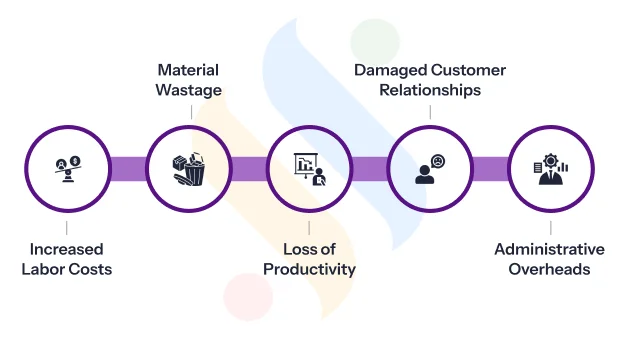
The cost of rework in field service operations goes beyond direct financial losses. It impacts the productivity of the modern workplace, data security, resource allocation, employee attendance tracking, and even client relationships. Rework drains operational budgets and slows down business growth, making it essential to address the root causes.
How Rework Affects Finances?
Increased Labor Costs
Repeating tasks means paying for the same work twice. This additional labor expense cuts into profit margins and can strain budgets, especially in large-scale field operations.
Using an attendance management system helps you track field staff hours accurately, so repeated work and overtime costs are visible and easier to control.
Material Wastage
Errors often result in wasted materials, particularly in industries like construction or maintenance, where precision is critical.
Loss of Productivity
Employees forced to revisit tasks lose time they could have spent on new assignments. This inefficiency decreases overall employee productivity and delays project timelines.
Damaged Customer Relationships
Frequent errors and delays erode client trust, leading to potential loss of business. Dissatisfied customers may also share negative feedback, harming the company’s reputation.
Administrative Overheads
Investigating errors and implementing corrective measures adds to administrative costs, further burdening operational budgets.
Hidden Costs of Rework
The hidden costs of rework are equally significant. Poor employee tracking and insufficient monitoring systems can result in underreported errors, creating a false sense of efficiency. The long-term impact includes lower workforce morale and reduced competitiveness in the market.
Investing in tools like employee tracking software or monitoring employees in real-time can mitigate these issues. By ensuring accurate task completion and minimizing errors, businesses can save both time and money while delivering better service quality.
Strategies to Prevent Errors and Reduce Rework
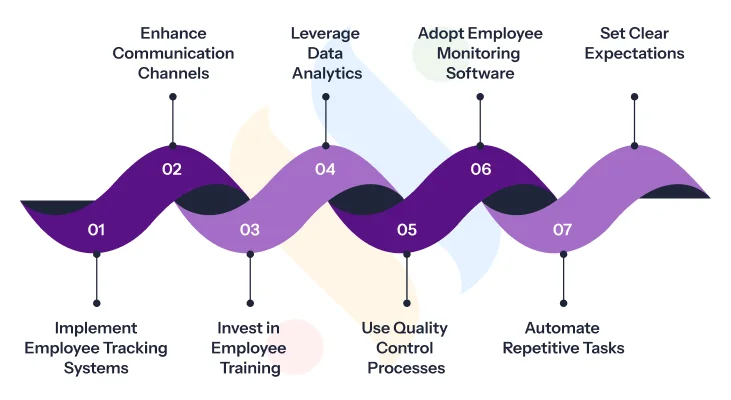
Preventing errors and minimizing rework in field service requires a proactive approach. By implementing the right tools, processes, and training, businesses can create a more efficient and error-free workflow. Here are effective strategies to reduce rework and improve operational efficiency:
1. Implement Employee Tracking Systems
Using robust employee tracking software ensures real-time visibility of field operations. With features like GPS tracking and task updates, managers can monitor progress and intervene before errors escalate. A well-integrated employee tracking system can streamline workflows and reduce miscommunication.
2. Enhance Communication Channels
Clear communication is critical to preventing errors. Establishing reliable communication platforms between managers and field staff reduces misunderstandings and ensures instructions are followed accurately.
3. Invest in Employee Training
Well-trained employees are less likely to make mistakes. Providing regular training sessions to enhance skills and improve task understanding leads to higher accuracy and fewer rework cases.
4. Leverage Data Analytics
Analyzing patterns in errors using advanced employee monitoring tools can help identify root causes. Predictive analytics can anticipate potential issues and allow managers to address them proactively.
5. Use Quality Control Processes
Establishing thorough quality checks ensures that errors are caught early. Implementing these measures at different stages of a project minimizes the risk of needing rework later.
6. Adopt Employee Monitoring Software
Modern employee monitoring software provides real-time task tracking even for remote locations, performance monitoring, and error detection. The best employee monitoring software offers features like automated Workforce tracking, which keeps employees on track, protects sensitive data collected by the employer, and reduces the chance of errors.
7. Automate Repetitive Tasks
Automation reduces human errors by streamlining repetitive and complex processes of collecting and storing employee data and more. By using technology for tasks like scheduling, reporting, and monitoring, businesses can maintain consistency and accuracy.
8. Set Clear Expectations
Clear guidelines and expectations ensure employees understand their responsibilities and deliverables whether it’s about to prevent data breaches or about employee internet usage. Because this kind of lack of clarity often leads to errors in employee surveillance and more, especially in remote teams.
By combining these strategies, businesses can not only reduce rework but also improve employee performance and overall efficiency. Integrating tools like task management platforms and real-time monitoring solutions can significantly enhance the quality of field service operations.
Role of Data Analytics in Error Prevention
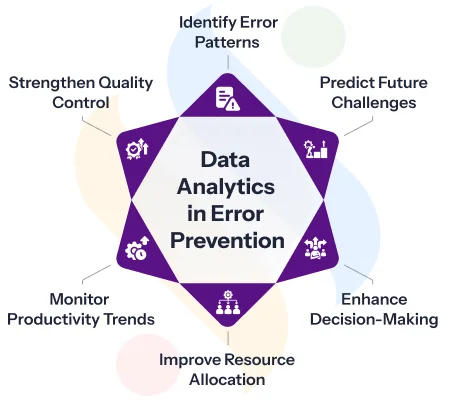
Data analytics plays a pivotal role in identifying, understanding, and mitigating errors in field service operations and it also helps to monitor employee activity. With such kind of power to process large volumes of own data from network monitoring and else, analytics helps businesses detect patterns and take proactive steps to prevent costly mistakes and rework.
1. Identify Error Patterns
By analyzing historical data about app usage or else, businesses can pinpoint recurring issues that lead to errors. For example, employee tracking software can easily provide details insights into delays or inaccuracies in task execution, helping managers address specific problem areas.
2. Predict Future Challenges
Predictive analytics uses past data to forecast potential issues before they occur. This allows businesses to plan better, allocate resources effectively, and minimize the likelihood of errors.
3. Enhance Decision-Making
Data-driven insights support more informed decision-making. For instance, managers can use data from employee monitoring software to identify underperforming employees and provide targeted training to improve performance.
4. Improve Resource Allocation
Analytics tools can track resource utilization and identify inefficiencies. For example, real-time monitoring data from employee tracking systems can help managers distribute workloads more evenly, reducing the chances of overburdened employees making errors.
5. Monitor Productivity Trends
Analyzing productivity trends allows businesses to understand the impact of their strategies. By tracking employee activity and workforce monitoring software, companies can refine processes to ensure consistent quality in field operations.
6. Strengthen Quality Control
Data analytics enhances quality control by flagging anomalies or deviations from standards. Automated alerts can notify managers when tasks deviate from predefined benchmarks, enabling immediate corrective action.
By integrating data analytics into field service operations, businesses can shift from a reactive to a proactive approach. Tools like employee tracking software and monitoring systems provide the data necessary to minimize errors, reduce rework, and optimize overall performance.
How Employee Tracking Software Can End Rework Troubles
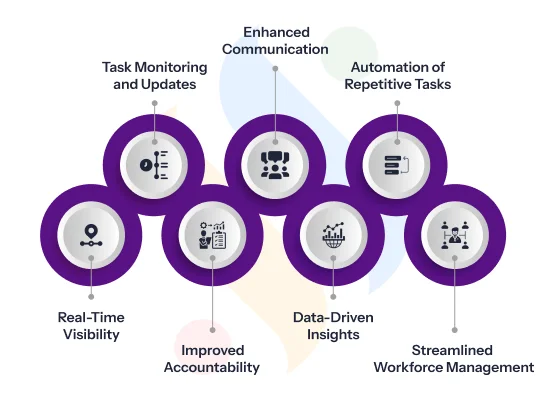
Employee software has revolutionized the way field service operations are managed. By providing real-time insights into employee activities, locations, and task progress, it plays a crucial role in preventing errors and eliminating rework. Let’s explore how field force management software can address rework challenges effectively.
1. Real-Time Visibility
With features like GPS tracking, managers gain a clear view of where employees are and what they are doing. This helps ensure that field tasks are completed accurately and on time, minimizing the risk of errors.
2. Task Monitoring and Updates
Employee tracking software provides instant updates on task status, enabling managers to detect and address issues before they escalate into rework. Automated notifications alert teams about deviations, ensuring swift corrective action.
3. Improved Accountability
Tracking systems promote accountability by documenting employee activities and task progress. Employees are more likely to meet quality standards when their performance is monitored, reducing the chances of repeated mistakes.
4. Enhanced Communication
Many tracking tools integrate communication features, allowing managers to relay instructions clearly and efficiently. This reduces misunderstandings, a common cause of errors in field service operations.
5. Data-Driven Insights
Advanced employee tracking systems generate valuable data that can be analyzed to identify recurring issues and optimize workflows. Insights from this data help businesses implement targeted improvements to prevent future errors.
6. Automation of Repetitive Tasks
Employee tracking software often includes automation capabilities, such as time tracking and task scheduling. Automating these processes reduces the risk of human error, ensuring greater accuracy in task execution.
7. Streamlined Workforce Management
With a centralized platform for tracking, monitoring, and managing field employees, businesses can improve resource allocation and workflow efficiency. This leads to better results and fewer instances of rework.
By introducing robust employee tracking software, businesses can significantly reduce their operational inefficiencies, improve task accuracy substantially, and ensure high-quality service delivery on time! This kind of ability when monitoring employees and managing field employees is easy in real-time and is a game-changer for minimizing rework.
What is the Best Employee Monitoring Software?
Selecting the best employee monitoring software is and always will be a critical decision for businesses aiming to streamline operations and reduce costly rework. Because it’s a solution that combines real-time tracking, advanced analytics, and user-friendly interfaces ensures maximum productivity and fewer errors.
Key Features of Top Employee Monitoring Solutions
- Real-Time Insights: Effective software provides real-time updates on employee activities, including location, task progress, and time spent on assignments.
- Comprehensive Monitoring Tools: From GPS tracking to activity monitoring, these tools ensure that every aspect of field operations is accounted for.
- Customizable Dashboards: Personalized views for managers allow them to focus on key metrics like productivity trends and task completion rates.
- Seamless Integration: The best solutions work well with existing business tools, enhancing workflows without adding complexity.
Why Superworks Stands Out?
If you’re looking for an all-in-one solution, Superworks employee monitoring software is a strong contender. Superworks is designed to address modern field service challenges by offering a powerful combination of real-time tracking, task management, and productivity monitoring. With a user-friendly interface and a focus on actionable insights, Superworks enables businesses to stay ahead of errors and reduce rework effortlessly.
Superworks doesn’t just monitor—it empowers managers with the tools to optimize operations and boost workforce performance. After the Superworks, you won’t ask questions like how to keep track of employees time! From GPS tracking to comprehensive data analytics, Superworks is built for businesses aiming to eliminate inefficiencies and scale success.
Investing in a robust employee monitoring solution like Superworks ensures that your business reduces errors, increases productivity, and maintains high-quality service delivery. It’s the HRMS & payroll software you need to stay ahead in competitive field service industries.
Conclusion
Rework in field service operations can drain resources, impact customer satisfaction, and hurt your bottom line. However, by embracing tools like employee tracking software, businesses can tackle the root causes of errors and streamline their workflows. Real-time insights, task management, and analytics help ensure that tasks are completed accurately the first time, saving time and money.
Solutions like Superworks employee monitoring software stand out as game-changers in reducing rework. With features that promote accountability, enhance productivity, and offer real-time tracking, Superworks provides the tools you need to eliminate inefficiencies and optimize performance. Implementing such a solution is not just about monitoring—it’s about empowering your team to deliver better results with fewer errors.
The key to reducing rework lies in proactive management. By combining modern tools like employee activity tracker, quality control processes, and robust training programs, businesses can enhance service quality and ensure long-term growth.






